

One day, a friend of mine from work invited me to lunch and told me she was leaving her marriage. She was someone I looked up to, a leader, the kind of person I’d assumed had been handed a sturdier life than the rest of us. It had not occurred to me that people like her carried real struggles too. I listened, and I swallowed the urge to argue her out of it, because to me, leaving was a kind of failure, a giving up, the sort of thing you did not do. So I played the good friend and kept my face still. But two questions had already started up underneath, and they didn’t stop when the lunch ended. Could I be next? And was this really the only option?
The questions followed me home. Because at home, I was lonely. Not alone. I had a wife, a son, and a full house, but I was lonely inside it.
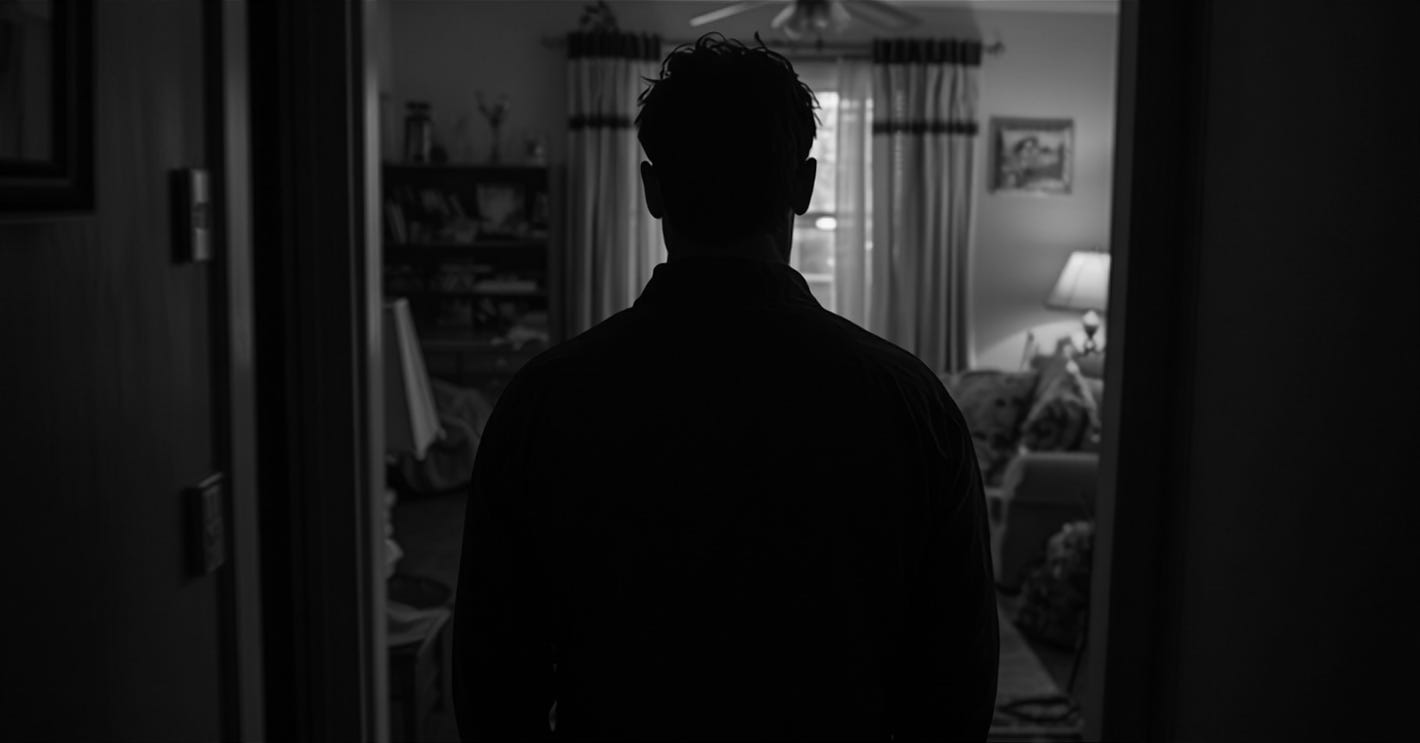
On paper, the life was the one I’d prayed for. A job with great perks, a marriage, a child. I came back to it the way you go back to a shared room at a boarding school, somewhere to rest before you wake and do the whole thing again. The evenings were chores and budgets. The talk was logistics; who’s getting Delvin, what’s for dinner, did you pay for the thing… There was a time, back in Kampala, when an office sysadmin blocked the chat program Phiona and I lived in, and I built us another one on the local network so we would never have to stop talking. Now we shared a roof, and we couldn’t even fill ten minutes of conversation. We had stopped reaching for each other, and I started to wonder whether love had only ever been a survival story with a good soundtrack.
So I decided we should talk about the real thing.
Jimmy’s on the Mall
I asked her to meet me in the city, at Jimmy’s on the Mall. It was a rainy afternoon, and we were sat at a table upstairs. We ordered barramundi with chips and lemon lime bitters, and while the rain ran down the window, I told her I’d been thinking hard about us, the fights about chores, the closeness that had gone out of things, how lonely it all felt.
I’d come in with a script. I’d ask the questions, and she’d give me my answers. I expected one of two scenes. Alarm, a flood of questions, maybe tears. Or anger, the old wounds dragged back up. I’d even brought tools, the Crucial Conversations techniques from a course at work that had never once worked at home but that I still half-trusted.
She gave me none of it.
She took in what I said, and then she looked at me. The way you’d watch a news story about a country you’ll never visit. When I asked what she was thinking, she went quiet, searching for the words. Talking about herself has never come easily to her, and I had no patience for the quiet wait, so my anxious prompting came out like an interrogation. Finally, she said she was struggling too. That it was hard for her as well and she didn’t know what to do. Maybe, she said, it was just a rough patch. All couples have them. She hadn’t been thinking about divorce. She didn’t know what to say to the word.
I’d come for a fight or a confession and got neither. What I got was worse. She seemed resigned, like someone who’d stopped expecting the weather to change.
Then she said the thing I’d spend years failing to argue my way out of. “I tell you things, but you don’t listen to me. You just go off and do your own thing.”
I had walked in, certain I was the one showing up. The good one. Across the table, without raising her voice, my wife was telling me she didn’t know what was going on with me, because I was never really there. It felt like the ground had been pulled out from under me.
Nobody cried. We finished the fish. She got on a bus home, I went back to the office, and my head spun the whole afternoon, trying to work out where I was. I felt naked and embarrassed, like a man who’d just realised he had no idea what room he’d been living in, or for how long.
What I couldn’t get around
In the weeks after, I kept walking into the same wall. You can’t un-child yourself, and a child can’t un-parent itself. Delvin was mine and I was his, and no court could end that. The bond wasn’t a contract. It was something I was made of. And I had a sick feeling the same was truer of the marriage than I wanted it to be.
There was guilt in it too. I’d carried Phiona across the world from a place where she knew everyone, her big family, her whole network, to a city where she knew no one. To pull her out of all that and then leave would be a second leaving stacked on the first.
And there was a promise. Years before, on a long walk through Kampala, we had traded terms like two people who meant it. We would work through anything, and only one line could end us. Nobody had crossed the line. So I made another decision, for a reason that sounds colder than it turned out to be. I hadn’t earned the right to quit. I hadn’t actually done anything. I’d been waiting for the marriage to work on its own, then blaming it for failing a test I’d never sat. I’d taken every job in the house I didn’t understand or like and handed it to Phiona, assumed she’d know how to take care of it, and called it her fault when it didn’t go well. I didn’t know how she knew. I just assumed she would.
I’d grown up on that arrangement, and where I’m from the deal is simple and, I genuinely believed, close to legally binding. A man brings in the money, endures the job, keeps the rent paid and the fridge full, and in exchange the universe issues him one grateful wife and one contented home. I had upheld my side of this traditional contract to the letter. I was, frankly, owed. I just couldn’t work out where to file the complaint. What I finally saw was that I’d been running a script for a world that no longer existed, the village with the aunties next door, in a city that had none of them. And I’d poured everything into being good at work, the projects, the after-hours drinks, partly because it kept me employable and partly, I can see now, because the office was the one place I always knew exactly what I was doing. I was one of the most dedicated people at a company I was using as a place to hide.
I’d been an author the whole time. I’d just been writing the wrong story.
Phiona took Delvin to Uganda for her brother’s wedding and a long stay. I arranged to work from another city for a while. And I set myself a test. For three months I’d live as though I were already the single father I might become. I’d show up. I’d do every job in the house, in my own clumsy way, and watch what happened to us.
Three months. I had no idea whether I was saving my marriage or rehearsing for the end of it.
(Next, what happened when I started doing the dishes my own strange way.)

Totally relatable especially the first few years of a marriage. Navigating loneliness is a big thing in a relationship. Very humbling experience especially when I realized he felt the same way I felt.😢