

Last time, I wrote about my father as the first storifier I ever knew, the man who taught me to love without taking credit. But I left a lot out; I didn’t always see him the way I do now. For a long time I saw the other man.
We loved my father most when he’d had a few. That is why the 1990 World Cup is still lit up in my memory. Cameroon on the screen, all of us cheering for his team, and when Roger Milla scored, my father would hand out envelopes of cash around the room, and we’d roar and dance together in celebration. That was happy dad. Sober, he was someone harder to read and easier to fear. And when the drink turned the other way, we would get frightened in a way that no child should have to learn.
He was asthmatic. The drinking and the asthma together were dangerous for him. One morning, word came that he had collapsed on his way to work. They found him by the roadside, near my kindergarten, still drunk with an asthma attack on top of it. There were nights when it happened at home too. Mum would stay up late at night with his inhaler and the fan on, doing whatever you do to keep an asthmatic breathing until the morning. I watched her pour his bottles down the sink more times than I can count while he watched on silently, guilty of his transgressions. Then came a season when she’d had enough, and took us to live in Kasese without him.
The clean story breaks down right here. Even then, he would visit us, and there would be a feast, and he would arrive with packs of lollies that he had hand-picked and labelled for each of us. He had a gift for making a child feel special. Whatever else was true in our house, I never once doubted that my father loved me, or that I would see him again.
There was hitting, too. Where I grew up, a smack was discipline, and discipline was a kind of love. We were raised on the “spare the rod and spoil the child” philosophy, by hands that corrected as readily as they fed us. Scripture and common sense both. But correction has its limits, and some of what I remember did not hold up. One day, he smacked my little sister Winnie for playing with water in the bathroom. Another time, while he was drunk, he smacked me for copying his signature too well. I don’t believe he knew another way to let out what was in him. He was a man who held things in for a long time, and when he let them out, they came out hard.
The hand
I’ve written before about a night in Brisbane when my own hand flew out and caught my small son across the face over some cutlery on the floor. I called that piece “The Slap”, and I told it as the night my old life ended. I didn’t say then where the hand came from. I had felt that exact motion before, from underneath it. The hand was older than me. It had been travelling down the family for longer than I had been alive, and that night, without ever deciding to, I passed it on.
You are made of the collectives that raised you. That is easy to celebrate and hard to live. It is both a blessing and a curse, because the inheritance arrives as a bundle, with the prayer and the slap wrapped together, and nobody checks the contents before passing it on. It all happens so quickly in the moment. Inherited harm travels disguised as normal, which is exactly how it keeps travelling. So the real authoring task is not only to keep the gold but to name the rest out loud, because a wound you will not name is a wound you will pass on. Breaking the line is its own kind of authoring. Someone decides that the thing stops here, and then refuses it on purpose, again and again.
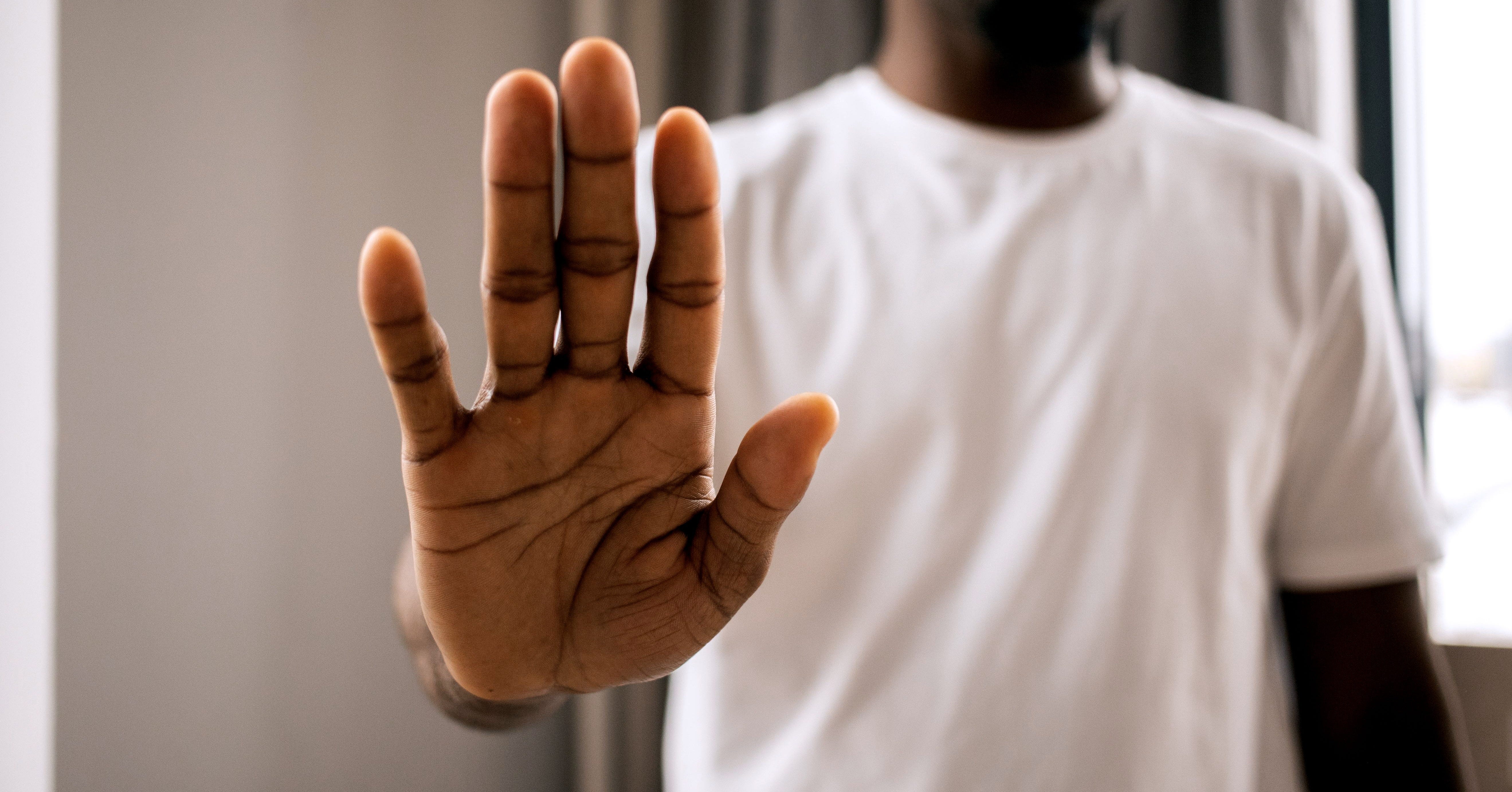
For a long time, naming it was as far as I could get. The grace came later, when I could finally stand under his life as opposed to over it. My father’s parents died when he was young, and he was mainly raised by sisters who recognised the smart boy he was and chose to spend themselves so he could go to school. He carried that. Then he carried all of us. Then he carried the stream of relatives who kept arriving at the door, and the beer was the one place where he was allowed to set the weight down. He was disciplined even in it; whenever he got paid, he would put aside what he needed for his drink and hand the rest to mum for the family. This is a man who once fought a cobra in our kitchen, toe to toe, until he crushed its head. He had more on him than anyone should carry, and almost none of the tools that the rest of us take for granted in the modern day. Where I’m from, having a parent at all is a fortune. Having one who cared was a wealth that most children never knew, one who believed in you, one who came back with lollies for you. None of that unmakes the harm. Both are true, and a grown man has to learn to hold both in the same hand.
That holding is the whole move. You don’t break the cycle by hating on the one who handed you the wound. Hatred only keeps the wound warm and ready to pass along. You break it by understanding him so fully that you can set the wound down without setting the man down. I keep his prayer, his foundation-laying, his way of asking the real question and waiting for your answer. I do not keep the hand. And then I forgave him for the part I refused, and that turned out to be the last weight I had carried.
He is in his later years now, and the man is still in there, whole. When I last visited, he seemed bored in a way that worried me. So I set him up with a small project, ten hens, something to look after. It has revitalised him. We once planted a coffee plantation and a tree farm together. I had learned as an adult that if you brought him an idea, he would take it seriously. He would take you seriously, this man who had taken so few things from his own childhood. He still doesn’t speak much. When he does, it is worth writing down.
You shouldn’t walk home with your fists clenched. The road back to the source runs straight through the people who made you, and you reach it on the day when you can love them and choose differently in the same breath. That is the gate. What lies past it is the only thing left to talk about. The source itself, and the way home.
Questions to carry
What did you inherit from the people who raised you that you now have to refuse to pass on? Have you named it out loud, or only carried it?
Is there someone whose harm you are still holding with clenched fists? What would it cost to understand them without excusing them?
In your own life, what is the difference between forgiving someone and keeping alive the thing they did to you?

3. I am still struggling with forgiving. I have done the work of understanding.