

Remember the pasta story from Sufficient Unto the Day?
Serena rejected the bolognese I’d made. I swallowed my disappointment, put the pasta back in the pot, and made two-minute noodles with her instead. We stood by the stove together, watched the water boil, and talked about how the noodles went from stiff to wiggly.
That was years ago now.
Last night, she asked if we could make dinner together again. Not noodles this time; she wanted to try making the bolognese. The fancy one. The one she rejected.
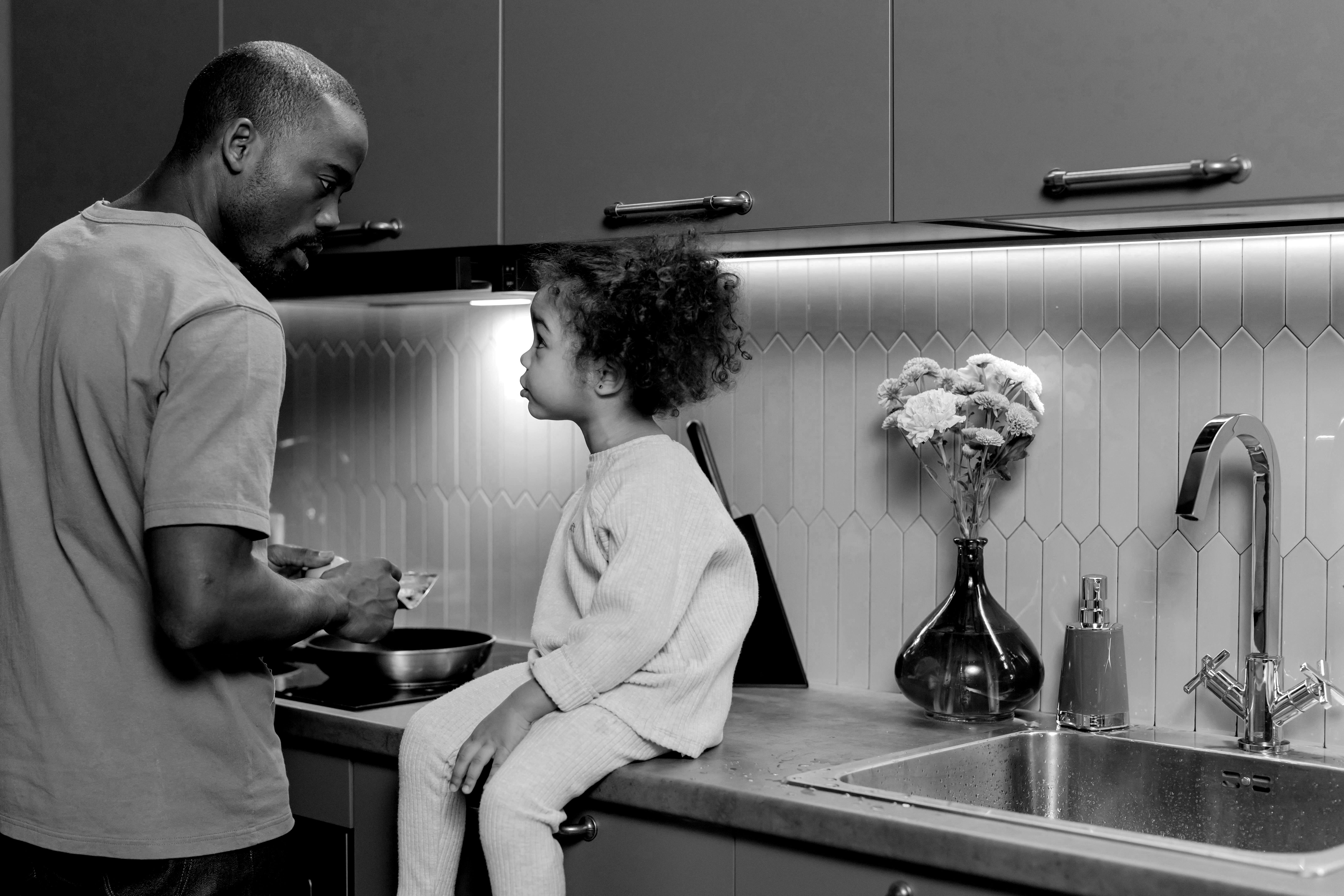
We chopped garlic together. I showed her how to tell when the onions are ready. She stirred the sauce while I boiled the pasta. Belinda Carlisle came on the radio. I used to sing that song to Serena while rocking her to sleep as a baby, and it’s been one of her favourites ever since. When the chorus came on, we all belted it out together, loudly, out of tune: “ooh, heaven is a place on earth.”
When we sat down at the table to eat, she took a bite and grinned.
“This is really good, Dad.”
I sat there, stunned, not because the sauce was good (it was fine, nothing special), but because I realised this was what I was actually trying to create on that first night. Not a perfect meal, but a connection. And the only way I got here was by giving up the version of Serena I’d imagined and meeting the one who was actually standing in front of me, the noodle version, the real one.
It took years of making noodles before she was ready for the bolognese.
The Optimal Grip
That first night, I had a choice. I could have forced Serena to eat the bolognese, which is tyranny. I could have thrown a pack of crisps at her and walked away, which is negligence. Instead, I made the noodles with her, which was the specific response that fitted the reality of that moment: a six-year-old who wasn’t hungry for dinner but was hungry for her father’s attention.
And last night, the same choice returned. I could have said “No, I’m tired.” I could have taken over and done it myself because she’s “too slow.” Instead, I let her stir. I let her add the salt. I let it take twice as long.
There’s a word I keep coming back to: righteousness. We usually think it means moral perfection, following the rules, being right. But the ancient understanding is different. Righteousness isn’t about being correct. It’s about being fitted, being in right relationship with reality. The Greeks had a word for the same principle: tonos, the optimal tension. A violin string too loose makes no sound. Too tight, it snaps. The music lives in the precise tension between the two.
The steward’s work isn’t to eliminate tension. It’s to find the right tension, the grip that holds without crushing, the string that sings without snapping. Standing in the kitchen last night, watching Serena stir a sauce she had once rejected, I could feel that tension in the room. The pull to take over, the pull to correct her technique, and the quieter pull to stay still and let her find her own way. Every day is an experiment. Last night’s experiment was to stay still.
Heaven as a Mode of Being
Standing in the rain and realising “I am dry” was a kind of heaven. These aren’t dramatic spiritual experiences. They’re quiet moments of fittedness, moments where I responded to reality as it was, not as I wanted it to be.
What got us here was embracing the repetitive nature of parenting, setting up rituals to ground the practices we have going at home, and weeding out the wishful thinking. All of this has led to a place of deeper connection, and that deeper connection feels heavenly. By heavenly, I mean that I’m witnessing the transformation of my loved ones on a daily basis and getting to influence it. I’ve learned to see their divine selves, the real persons underneath the moods and the tantrums and the temporary possessions, and to give of myself to them even when I’d rather not. To do life with them, not manage life around them. There’s deep care for each other now, right from the youngest member to the eldest. We have a kind of communitas where we are all equal members in this team and take our roles seriously. We engage kindly with one another and help each other with our individual struggles.
It takes great work to build a heaven on earth. But the work isn’t heroic. It’s the same work, repeated. The noodles, over and over, until your daughter is ready for the bolognese.
The Compounding
Here’s what I didn’t understand when I started this journey.
I thought stewardship was about avoiding crashes. Preventing the zigzag. Preventing the floor. Preventing the slap. And it is; that’s where it starts. But that’s not where it ends.
When you practise stewardship long enough, something unexpected happens. It compounds. The noodles become bolognese. The Driver’s Choice becomes a whole language of rules and rituals. The lotion ritual spreads until your whole family is checking in with their bodies. Your six-year-old says “I need to rest my body” one afternoon and you realise she absorbed something you never taught her.
I think about what was in that kitchen last night and I can see the whole journey inside it. There was the acceptance, that quiet disappointment of realising this is going to take as long as it needs to take if we’re not going to end up in a conflict about it. There was the solvent ledger, the fact that I’d slept well and eaten well and had the capacity to be patient. There was the fore-giving, the years of noodles that made this moment possible without Serena ever being taught why. There was the resonance, the way she’d absorbed something from all those evenings without me ever explaining it.
And underneath all of it, there was the opposite of a Tuesday evening years ago when a singing boy bumped a table and I answered with violence. Last night, a child came to me with a request and I answered with presence.
A few months ago, we were at Delvin’s school awards ceremony. They called his name for an academic excellence award. He didn’t get up at first. He was sitting there shaking his head, not quite believing it was his name they’d read out. His teacher had to signal him to go forward. I watched him walk to the platform, and I turned to Phiona and found that she was smiling too. The look we exchanged was one of relief. We got something right as parents. It was a small look, in a crowded hall, but it held years inside it. Years of noodles and Driver’s Choice and conflict resolution and mornings where we chose to show up instead of check out. The boy on that stage was the same boy who had once been on the kitchen floor staring up at me in confusion, and now he was shaking his head because something good had happened and he couldn’t believe it was for him.
The Steward’s Log
I am not a guru. I am not perfect at this.
Two nights before the bolognese, I snapped at Serena over something small, a mess she’d left in the living room, and I watched her face close up with the disappointed look of someone smelling burned food. I had to stop, sit down next to her, and say “That wasn’t fair. I’m sorry. I was tired and I took it out on you.” She studied me for a moment, deciding whether to let me back in, and then she leaned against my arm. The mess was still there. But the door was open again.
That’s the thing about stewardship. The bolognese doesn’t mean the noodles are over. Tomorrow there will be another evening, another version of reality that doesn’t match the plan, another moment where the grip could be too tight or too loose. Heaven on earth isn’t a destination you reach and then stay. It’s a place you keep arriving at, one response at a time, and some days you arrive and some days you don’t, and either way you wake up the next morning and start again.
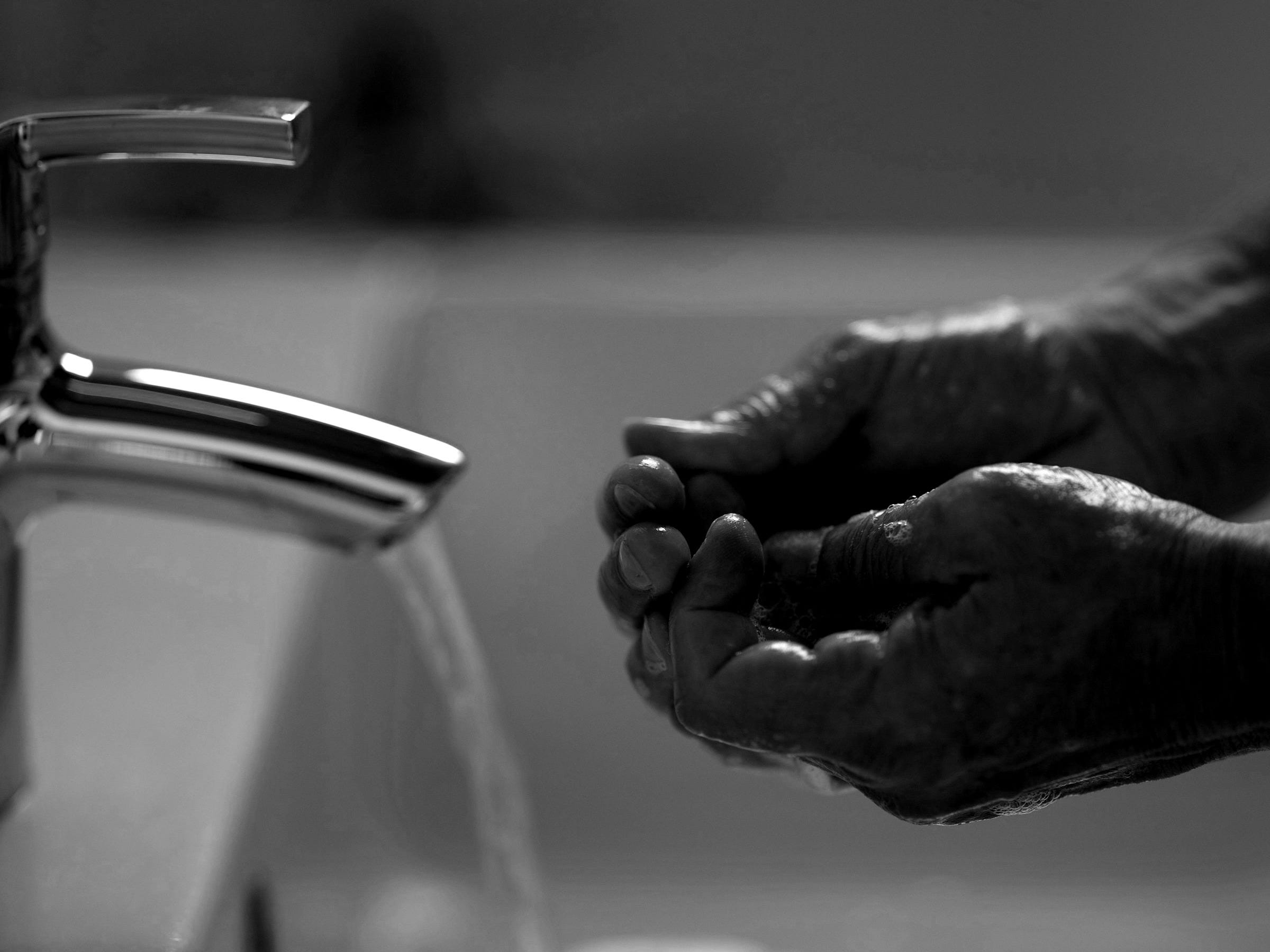
This morning I woke up before the house did. The kitchen still smelled faintly of garlic from last night. I walked to the bathroom, turned on the tap, and washed my face. The water was cold. I could feel it on my skin. And for a moment, standing there with the water running over my hands, I wasn’t thinking about the series or the framework or what any of it means. I was a man washing his face. That’s where it starts. That’s where it always starts.
The grip is yours to find.
Welcome home.
Questions for the Steward
The Grip: Where in your life are you gripping too tight (forcing an outcome) or too loose (ignoring a problem), and what would the optimal grip feel like today?
The Compounding: What’s one small practice you’ve been doing consistently that’s starting to show results, and how has it rippled into other areas of your life?
Heaven on Earth: What is one moment of coherence you experienced this week, where internal and external felt perfectly aligned, and how can you create more space for that?

Honestly just trying to figure out stewardship. Last night I experienced a very tight grip. 😢