

I woke up on the floor of a conference room with no memory of how I got there.

The carpet smelled like industrial cleaner and old coffee. Fluorescent lights buzzed above me, that particular hum you never notice until everything else goes quiet. My friends were standing over me, and I remember thinking, before anything else, how strange it was to see people from this angle. Like being a child again, looking up at a world built for taller creatures.
Daniel handed me a bottle of water. “You just... rolled off the beanbag and the laptop dropped,” he said. “It was abit concerning.”
We were thirty hours into a thirty-six-hour hackathon, a coding marathon where teams race to build software from scratch. I had barely slept. Barely eaten anything that wasn’t wrapped in plastic. Barely drank water that wasn’t caffeinated.
I thought willpower and caffeine could override biology the way a software patch overrides a bug.
As I sat there on that conference room floor, a thought cut through the fog with a clarity nothing else had managed in hours:
The body had declared bankruptcy.
The Invisible Ledger
By now you know about the Astronaut and the Suit. You know the body holds veto power. What the hackathon taught me was something else, something I felt before I could name it.
The body doesn’t only report problems. It keeps accounts.
Every thought costs glucose. Every stress response costs cortisol and adrenaline. Every suppressed emotion costs nervous system bandwidth. Every decision costs executive function. The body tracks all of it. And unlike your bank, it doesn’t send polite reminders before it forecloses.
For thirty hours, I had been running on a massive deficit. To keep the “Thinking Department” operational, my body had been quietly redirecting resources from everywhere else. The immune system. Digestion. Cellular repair. Even, as it turned out, consciousness itself.
I wasn’t creating energy. I was borrowing it, taking out high-interest loans against my future self.
The caffeine masked the debt the way a fresh coat of paint masks rot underneath. The sugar and processed food weren’t fuel; they were inflating the cost of doing business. And all the while, the body was keeping a ledger I couldn’t see.
When I finally ran out of credit, the system didn’t negotiate. It pulled the emergency brake.
I woke up on the floor.
“Is This a Cult Thing?”
A few weeks later, I was sitting across from Jeremy at a cafe. He was stirring his flat white slowly, the way he does when he’s building up to something. I had been telling him about the changes I’d started making, tracking what I ate, how much I slept, how much water I drank.
He set the spoon down. “Why all the hustle?” he said. “It all seems a bit much, mate. Why not just... live?”
For Jeremy, the norm is late nights, fast food, energy drinks when needed and a diet of supplements to fill the gaps. He worked hard, played hard, and medicated the rough edges. And he seemed fine.
Then he grinned. “Is this a cult thing?”
I laughed. However, the question stayed with me longer than I expected. This is because it’s the question our entire culture is built around. Why bother with the maintenance when there’s a shortcut for everything?
The Shortcut Economy
We live in an age that promises you can have it all without the cost. Skip sleep, drink Red Bull. Eat whatever, pop a probiotic.
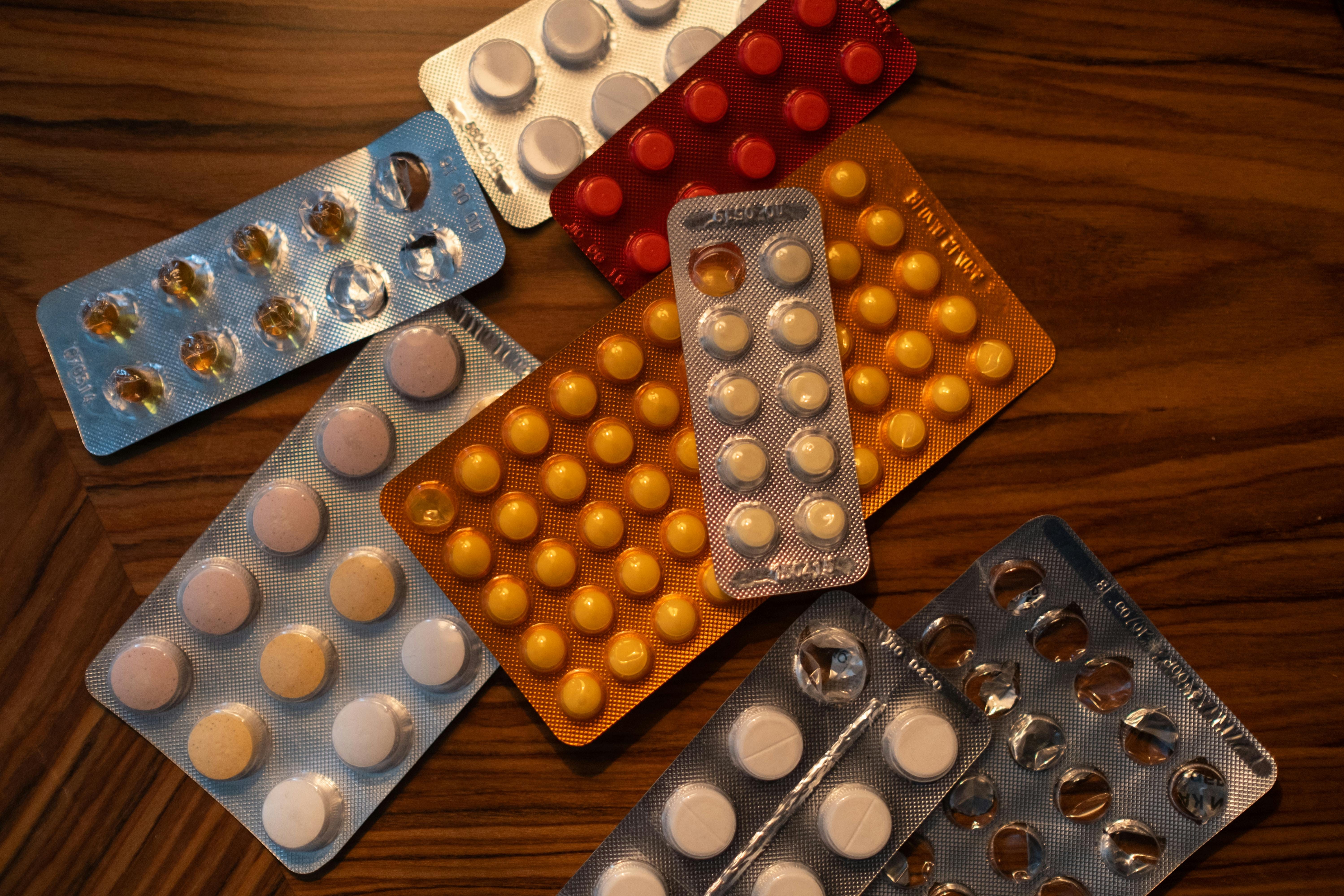
Can’t focus? Adderall.
Need to slim down? Ozempic.
Feeling low? Microdose something.
Think Bobby Axelrod in Billions; cryotherapy, nootropics, performance coaches. No consequences, results only. The body becomes background noise, something to manage with apps and stimulants while you focus on what “really matters.”
And it works. For a while.
However, here’s what I learned on that conference room floor: you can’t cheat an economy. You can only mismanage it until it forces you to stop. Every shortcut borrows from somewhere. Each loan accrues interest. And the body, unlike the bank, doesn’t let you refinance.
The Lag Time Trap
Jeremy’s lifestyle seemed sustainable. That’s what kept nagging at me. He could pull late nights and bounce back. He could eat poorly and function. He could skip the gym and feel nothing wrong.
However, what he couldn’t see, what I couldn’t see for years, was the lag time.
The body doesn’t bill you immediately. It accumulates the debt quietly, the way water damage spreads behind a wall you never think to check. And when the correction comes, it’s not proportional. It’s compounding.
Day one of the hackathon, I felt great. The adrenaline was pumping. I thought, See? I don’t need sleep. I’m fine.
Day two, I felt manageable. A little foggy, nothing I couldn’t push through.
And then I woke up on the floor.
This is the seduction. The gauges say “low fuel,” but the car is still moving, so you think, I’ll push a little further. Until you can’t.
And the cruel part: the more you lean on the shortcuts, the more you need them. The caffeine crashes you harder, so you reach for sugar. The sugar destabilises you, so you reach for more caffeine. The caffeine disrupts sleep, so you reach for melatonin. It’s stepping on the accelerator and the brake at the same time. If you do that long enough, the engine blows out.
Meanwhile, the body’s own regulatory systems, the ones that naturally manage energy, appetite, and sleep, atrophy from disuse. You become dependent not on the shortcuts alone, but on managing the side effects of the shortcuts.
The Work That Stopped Feeling Like Work
When I first started paying attention, tracking water, prioritising sleep, noticing how food affected my body, it felt like a burden. More rules. More constraints.
However, something strange happened.
The more I invested in my body, the less I needed to manage it.
The headaches disappeared. The exhaustion lifted. The bloating faded. My energy stabilised, no more crashes, no more desperate timing of meals to avoid hitting empty. I wasn’t constantly putting out fires anymore. I had capacity. Reserves. A body that cooperated rather than resisted.
And once that foundation was there, I could handle the occasional late night without crashing. This is because I wasn’t already running on empty.
The shortcuts promise freedom but deliver dependence. Stewardship feels like constraint but delivers actual freedom.
There’s something in that realisation I wish I could go back and hand to my younger self, sitting in some office kitchen at 2am, fingers buzzing from his third energy drink, convinced that was strength. It wasn’t strength. It was a credit card with no visible balance. I can’t go back. However, I can pass the insight forward.
Fore-giving Your Self
Remember Phiona keeping Delvin dry before school? That same logic applies here, but turned inward.
Deficit spending looks like pulling an all-nighter because the deadline is tomorrow. Fore-giving looks like sleeping well all week so you have the capacity when you need it. One is reactive crisis management. The other is proactive capacity building. One ends with you on the floor. The other means you never get that close to the edge.
The steward doesn’t wait for bankruptcy to check the accounts. They make deposits, sleep, water, real food, rest, as investments, not luxuries. They treat the body like a savings account, not a credit card.
The Steward’s Log
I didn’t finish that hackathon. However, I learned something more valuable than any code I could have written:
You cannot negotiate with thermodynamics.
The body is not a machine you can bully into compliance. It’s an economy you must steward. And if you don’t manage it, the market will correct itself. The correction is usually painful. Usually on a floor somewhere. Usually in front of people you’d rather not worry.
Now, when I face a high-pressure situation, I don’t ask: How much can I squeeze out of my self?
I ask: How much can I invest in my self so I can handle this?
Because I remember the carpet. The fluorescent hum. Daniel’s face looking down at me. The particular humiliation of being horizontal when you were supposed to be impressive.
I don’t want to go back.
Questions for the Steward
The Audit: How do you actually feel right now, not how you think you should feel, but what your body is telling you as you sit here reading this? Surplus or deficit?
The Lag Time: Where are you ignoring the gauges because you “feel fine”? What’s accumulating behind a wall you haven’t checked?
The Deposit: What is one small investment, a nap, a glass of water, a walk, saying “no” to one thing, you can make today? Before the need arrives.
I encourage you to sit with these. You might be surprised by what your body reveals when you give it the space to speak.

So so good Clayton! Thank you for writing and sharing!